


2ph | The Allure of Simulation Games: Exploring the Virtual World of '2ph'
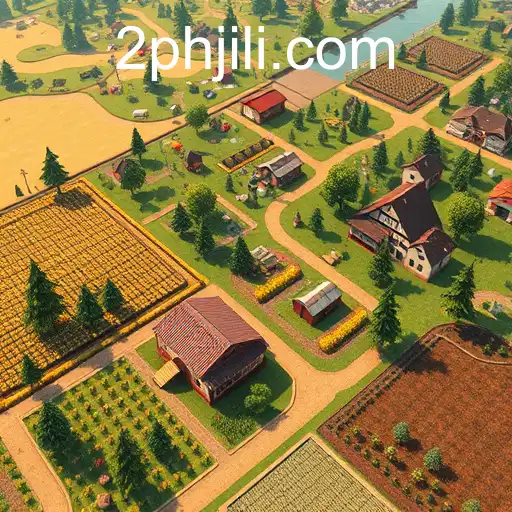
Simulation games have carved a significant niche in the gaming industry, offering players a chance to immerse themselves in meticulously crafted virtual environments. These games range from city-building and life simulation to business management and even survival scenarios, each providing a distinct taste of what it's like to oversee and influence a parallel world. One of the intriguing keywords associated with this genre is '2ph,' a term that deserves a closer look.
The fascination with simulation games largely stems from their ability to provide a safe space for experimentation and creativity. Players are often tasked with decision-making processes that mirror real-life situations, albeit in enhanced or fantastical settings. For instance, in city-building simulations, one might manage urban planning and transport logistics, while life simulators could involve guiding characters through personal and career development. The applications of these simulations are virtually limitless, demonstrating why this genre remains perennially popular.
The keyword '2ph' might initially appear enigmatic, yet it perfectly encapsulates the core appeal of simulation games. It symbolizes the dual phases or dual life players experience when they engage with these games. Whether it's planning a bustling metropolis from the ground up, nurturing digital families, or conquering wild frontiers, the 'two-phase' idea suggests a progression from concept to execution, emphasizing the player's journey from novice to master within a chosen simulation.
Community engagement is another significant aspect contributing to the growth of simulation games under the '2ph' keyword. Platforms hosting simulation games often feature robust systems for sharing player-created content, tips, and strategies, fostering a collaborative spirit among enthusiasts. The creativity and ingenuity demonstrated in custom-built scenarios and mods further enrich the gaming experience, allowing for endless personalization.
Moreover, the educational potential of simulation games based on the '2ph' model cannot be underestimated. These games offer a dynamic learning environment, where players often acquire skills applicable outside the virtual world, such as strategic thinking, resource management, and problem-solving. By simulating real-world challenges, players can explore various solutions and outcomes in an interactive and risk-free setting.
In conclusion, the world of simulation games, especially under the captivating lens of the '2ph' paradigm, is a testament to the genre's growing depth and allure. As technology continues to evolve, so too will the complexity and realism of simulation games, ensuring their place as a vital part of the digital entertainment landscape for years to come.
